


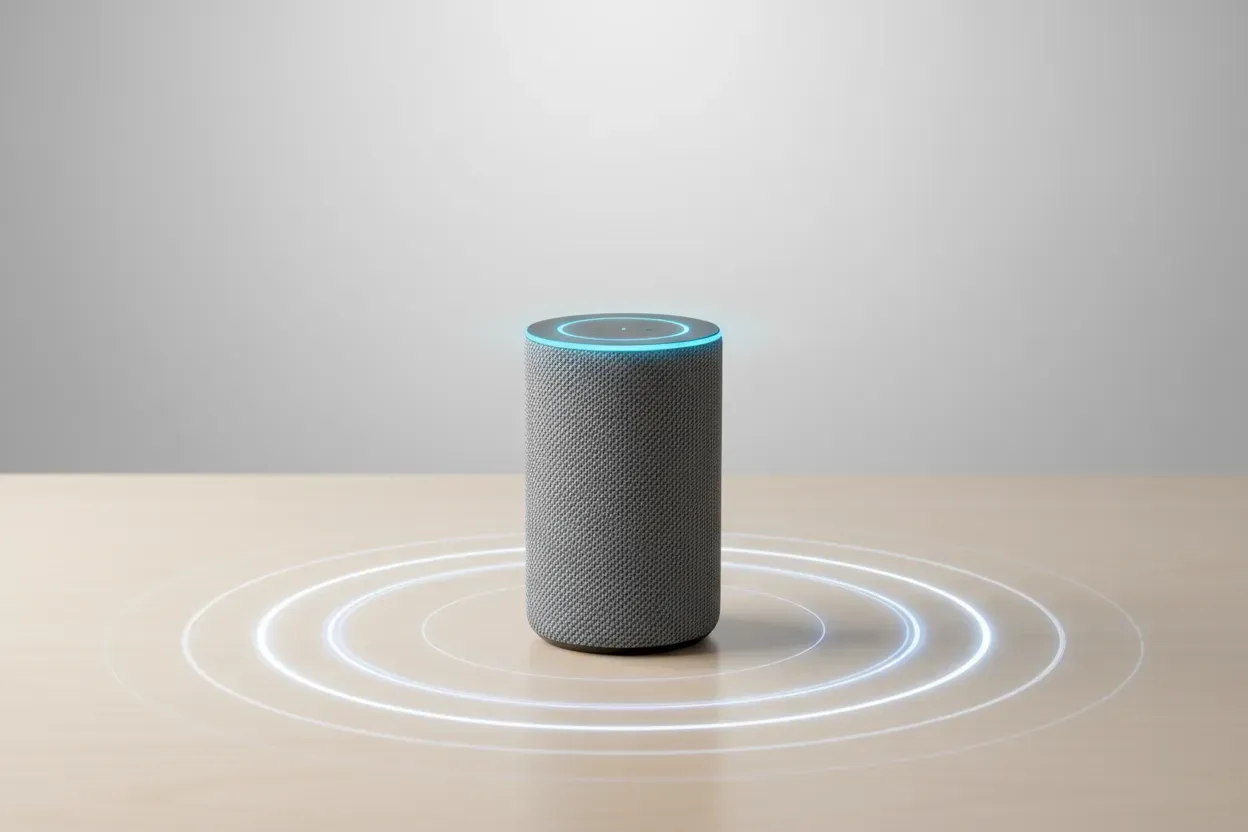
Voice assistants and IoT devices have fundamentally transformed how people interact with technology every day, shifting from deliberate actions to seamless, ambient experiences. This shift brings both remarkable convenience and unexpected challenges that affect productivity, communication, and security in ways many users don’t fully recognize. Drawing on insights from experts in the field, this article examines the real-world impact of these technologies on daily routines and what it means for the future of human-tech interaction.
- Smart Devices Create Unnoticed Security Vulnerabilities
- Machines Reshape How We Communicate with People
- Technology Becomes an Ambient Daily Rhythm
- Voice Assistants Save Thirty Minutes Daily
- Alexa Accidentally Disconnected My Client Call
- Voice Commands Raise Expectations for Instant Response
- Hands-Free Requests Remove Friction from Multitasking
- Comfort Quickly Replaces Novelty in IoT Adoption
Smart Devices Create Unnoticed Security Vulnerabilities
I’ve noticed something interesting about IoT interfaces: they’re creating massive security blind spots that most businesses don’t even realize exist.
A medical client recently came to us panicking because their new “smart” HVAC system had become an entry point for a ransomware attempt. The voice-controlled thermostat seemed harmless until we found it was communicating with 14 different cloud services, none of which they’d vetted. They could adjust their office temperature with Alexa, but they’d accidentally opened a backdoor to their entire patient records system.
What I’m seeing across our client base — from dental offices to construction firms — is that every voice assistant or IoT device added to a network multiplies the attack surface exponentially. We now spend about 40% more time during our security audits just mapping out these “convenient” devices that nobody thinks to mention until we find them.
The real kicker? Most of these devices can’t be monitored by traditional security tools, and manufacturers barely patch them. I’ve started telling clients: “You never know if you don’t ask” applies to vendors too — demand to know exactly what data these devices collect and where it goes before plugging them in.

Machines Reshape How We Communicate with People
Over time, I’ve realized that speaking to machines has quietly reshaped how I speak to people.
Working in an AI transcription environment, I’ve spent years observing how language transforms into data. How every pause, filler, or sigh becomes a line of text. But when I began using voice assistants regularly, something shifted. I started noticing my own voice. The rhythm, tone, and intent behind my words.
At first, it felt mechanical: a command followed by a response. But soon, it became something subtler, almost conversational. You begin to recognize that machines don’t just process sound; they interpret patterns of intent. And that realization makes you think about communication itself. How much of what we say is truly heard versus simply processed.
My most interesting observation is that AI, through voice interfaces, is forcing us to confront our own communication flaws. It mirrors our impatience when we speak too fast, our vagueness when we expect understanding without clarity. It doesn’t get offended, it just misunderstands, and that misunderstanding teaches humility.
We often say we’re teaching machines to understand us. But perhaps, quietly, they’re teaching us to understand ourselves.

Technology Becomes an Ambient Daily Rhythm
Voice assistants and IoT devices have quietly shifted how I interact with technology — they’ve made it more ambient and less deliberate. I used to go to technology to get something done; now, it’s woven into my environment. For example, I start my mornings by asking my assistant for meeting updates while making coffee, and by the time I sit down, my workspace lighting, playlist, and notifications are already adjusted for focus. It’s subtle, but it’s turned technology from a tool into a rhythm that supports how I move through the day.
What’s most interesting is how this shift changes attention. The less friction there is in using tech, the easier it becomes to stay in flow. But it also reminds me to stay intentional — because when everything responds automatically, you can lose awareness of your own habits. The real opportunity in IoT isn’t just convenience — it’s designing technology that enhances awareness, not replaces it.

Voice Assistants Save Thirty Minutes Daily
As a marketing leader, I’ve witnessed how voice assistants have quietly transformed the way I budget my time and make decisions throughout the day. Things that used to require screens, like scheduling reviews, checking how a campaign is doing, or pulling up reminders quickly, can now be done without having to fumble with voice prompts. That change has meant combating less digital fatigue and more time focusing on creative direction, rather than all the logistics. The largest benefit comes from the time savings: it probably saves me 30 minutes a day in that micro-tasks turn into fast conversations.
For example, when a client would launch a campaign, I leveraged Alexa routines to listen for competitor mentions and deliver briefings automatically each morning. That automation allowed my team to stay ahead of trends and have the time to act quickly on insights. Such a small efficiency led us to be much more agile in our campaigns.

Alexa Accidentally Disconnected My Client Call
I have to admit that I talk to Alexa more often than I want to because I use it for both music playback and weather updates and also for tasks like scheduling client proposal deliveries during my lunch break. The device enables me to perform multiple tasks at once, which has become a dangerous habit.
I experienced a comical situation when I told Alexa to turn off the bedroom lights during an ongoing business call because the system controlled the office light strip. The call suddenly lost power. The client believed I had suddenly quit the call. We shared a laugh about the situation, but voice commands sometimes prove too powerful for their own good.

Voice Commands Raise Expectations for Instant Response
The rise of voice assistants and IoT-enabled devices has made daily technology interactions more seamless and intuitive, shifting many tasks from manual input to simple voice commands. For example, I often use a smart speaker to manage my home environment — adjusting lights, setting reminders, or checking the weather — without touching a screen or opening an app.
A specific observation is that these devices change expectations for responsiveness and convenience. I notice I now expect the same instant, context-aware reactions from other tech I use, like my phone or laptop. It’s subtle, but once you get used to “just ask and it happens,” anything slower feels cumbersome.
Overall, it has made interactions more natural and integrated into daily routines, but it also highlights privacy and reliance considerations, as more personal data flows through these connected systems.

Hands-Free Requests Remove Friction from Multitasking
Voice assistants and IoT-enabled devices have quietly become one of the most efficient parts of my daily routine. As I walk through my house, I no longer have to pull out my phone or open an app to get things done. I can simply say, “Turn on the fan,” “What’s the temperature in the living room?” or “Who’s at the front door?” and instantly get a response or action.
It’s the seamlessness that’s changed everything. I’ve found that being able to make these requests hands-free, especially when I’m multitasking or coming home with gear in hand, removes a ton of friction. The small convenience of not breaking stride to pull out a device adds up across the day.
More importantly, it feels less like “tech for tech’s sake” and more like ambient assistance — useful without being intrusive. That’s the sweet spot I think voice tech is finally starting to hit.

Comfort Quickly Replaces Novelty in IoT Adoption
Voice assistants and IoT devices have definitely increased comfort — as most technology does. I no longer get out of bed to turn off the lights or reach for the remote to switch the TV on or off. These conveniences weave into daily life so quickly that they stop feeling like luxuries and just become normal.
That’s the interesting part — the delta is what we notice. The change itself feels amazing for a week or two, but once it’s integrated, it vanishes into routine. It’s a reminder of how fast we adapt. Shiny new tech becomes “old” almost overnight, which is why we’re iterating faster and faster — chasing that next moment of awe before comfort takes over.