


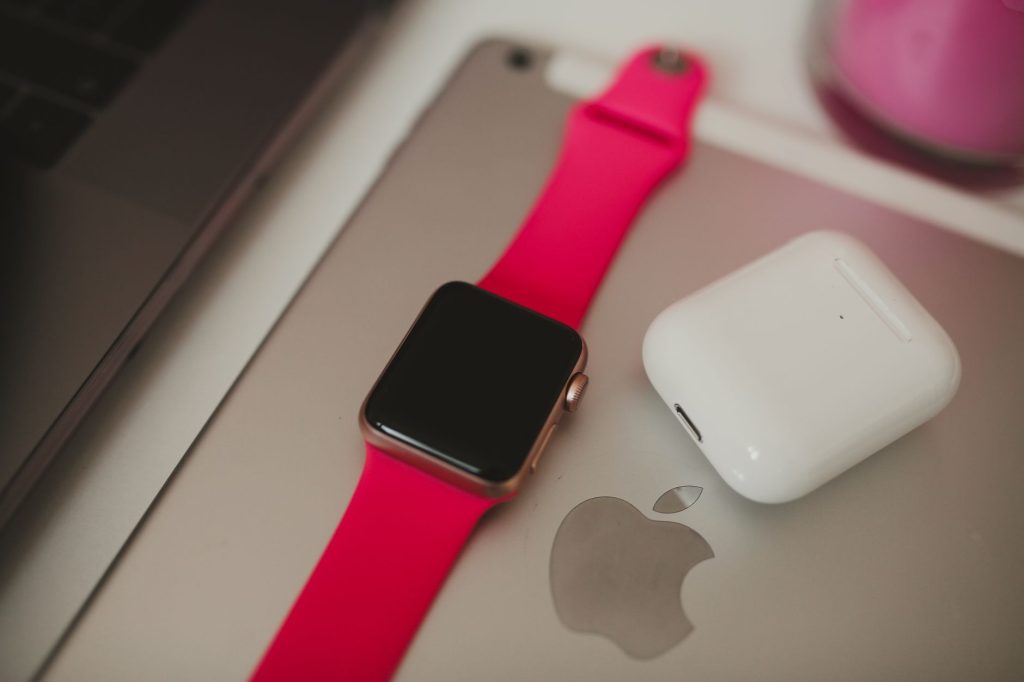
Apple has rolled out a trio of new devices with health-sensing features, extended battery life, and artificial intelligence capabilities. The Apple Watch Series 12 and Ultra 4 bring a new Health Sensing System alongside improved fitness tracking. Meanwhile, AirPods 5 add active noise cancellation and live translation to Apple’s standard earbuds for the first time. Together, these launches show Apple extending AI and health features across its wearables lineup.
The Apple Watch Series 12 starts at ₹56,900 in India, while the Ultra 4 begins at ₹1,09,900. Both models feature the new Health Sensing System, which measures heart rate every five seconds throughout the day and tracks heart rate variability up to 24 times more frequently than before. Apple claims this delivers its most accurate heart rate sensing in a wearable.
New Health Metrics and Daily Readiness Scores
The centerpiece of the Series 12 and Ultra 4 is a feature called Readiness. This metric analyzes recent activity, training load, sleep score, and vital signs to generate a daily score from 0 to 10. The score then recommends whether users should recover, pace themselves, prepare for exertion, or pursue intense training. This combines several health data points into a single advisory rather than requiring users to interpret raw metrics themselves.
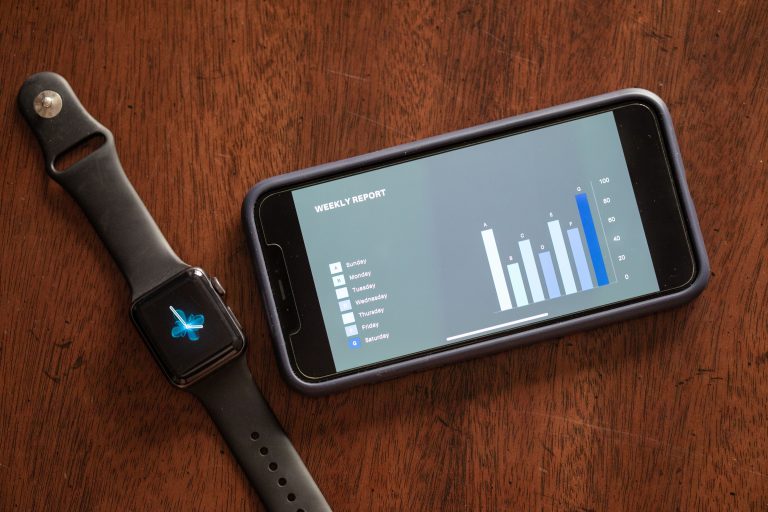
The Series 12 offers up to 24 hours of everyday battery life, with 10 hours available during outdoor workouts. A 15-minute charge delivers up to 12 hours of additional battery. The Ultra 4 pushes further: it provides up to 50 hours of everyday battery life and reaches 84 hours in Low Power Mode. For sustained outdoor work, Extended Workout mode tracks activity for up to 25 hours, while Max Extended Workout mode can run for 45 hours.
Both watches also run watchOS 27, bringing Apple Intelligence features including AI-powered Siri, Sound Recognition to detect alarms or dogs barking, and Live Rewind to replay recent audio. The Ultra 4 emphasizes sports performance, featuring Apple’s most accurate on-device GPS in a sports watch alongside improved step tracking and faster charging.
AirPods 5 Adds Noise Control to Open-Ear Design
Apple’s AirPods 5 start at ₹14,900 and bring active noise cancellation to Apple’s more affordable open-ear earbuds for the first time. The new ANC removes up to 50% more external noise compared with AirPods 4 with ANC. The earbuds feature a new multiport acoustic architecture and next-generation Adaptive EQ that adjusts sound quality across different ear shapes.

The AirPods 5 retain transparency mode, adaptive audio, and conversation awareness, which lowers media volume when users start speaking. They support personalized spatial audio for a more immersive listening experience. Volume swipe controls on the stem represent a first for Apple’s open-ear AirPods, allowing users to adjust volume without removing the earbuds.
With ANC enabled, the earbuds run up to five hours on a charge. The wireless charging case extends total ANC listening time to 22 hours. The case works with Apple Watch chargers, Qi-compatible chargers, and USB-C, improving flexibility for users with multiple devices. Apple added an IP57 rating for improved resistance to dust, sweat, and water.
The AirPods 5 bring hands-free AI features through Apple Intelligence. Users can access Siri AI with head gestures to respond to prompts. Live Translation converts conversations into a preferred language when paired with a compatible iPhone and supported AirPods, making the earbuds useful for travelers or multilingual environments.
Closing the Gap in Wearable Intelligence
These launches reflect Apple’s strategy of embedding health monitoring and AI across its wearables ecosystem. Rather than limiting advanced features to flagship devices, Apple is introducing active noise cancellation, readiness scoring, and AI translation to lower-priced products. The battery improvements on the Ultra 4, particularly the 84-hour Low Power Mode, address a persistent gap between consumer smartwatches and endurance-focused outdoor devices.
The shift toward AI-powered features like Siri on AirPods and Live Translation suggests Apple is positioning wearables as direct AI interfaces, not just fitness trackers. Health Sensing System accuracy improvements and Readiness scoring aim to turn raw biometric data into actionable guidance. Success depends on whether users trust the recommendations and whether the longer battery life translates to sustained device adoption in daily routines.
The pricing reflects Apple’s premium positioning: the Ultra 4 costs roughly twice as much as the Series 12, targeting athletes and outdoor users, while AirPods 5 fill a gap between budget and premium earbuds. Whether these new capabilities, health scoring, AI features, and extended battery, justify the cost will determine whether these devices gain traction beyond existing Apple customers.