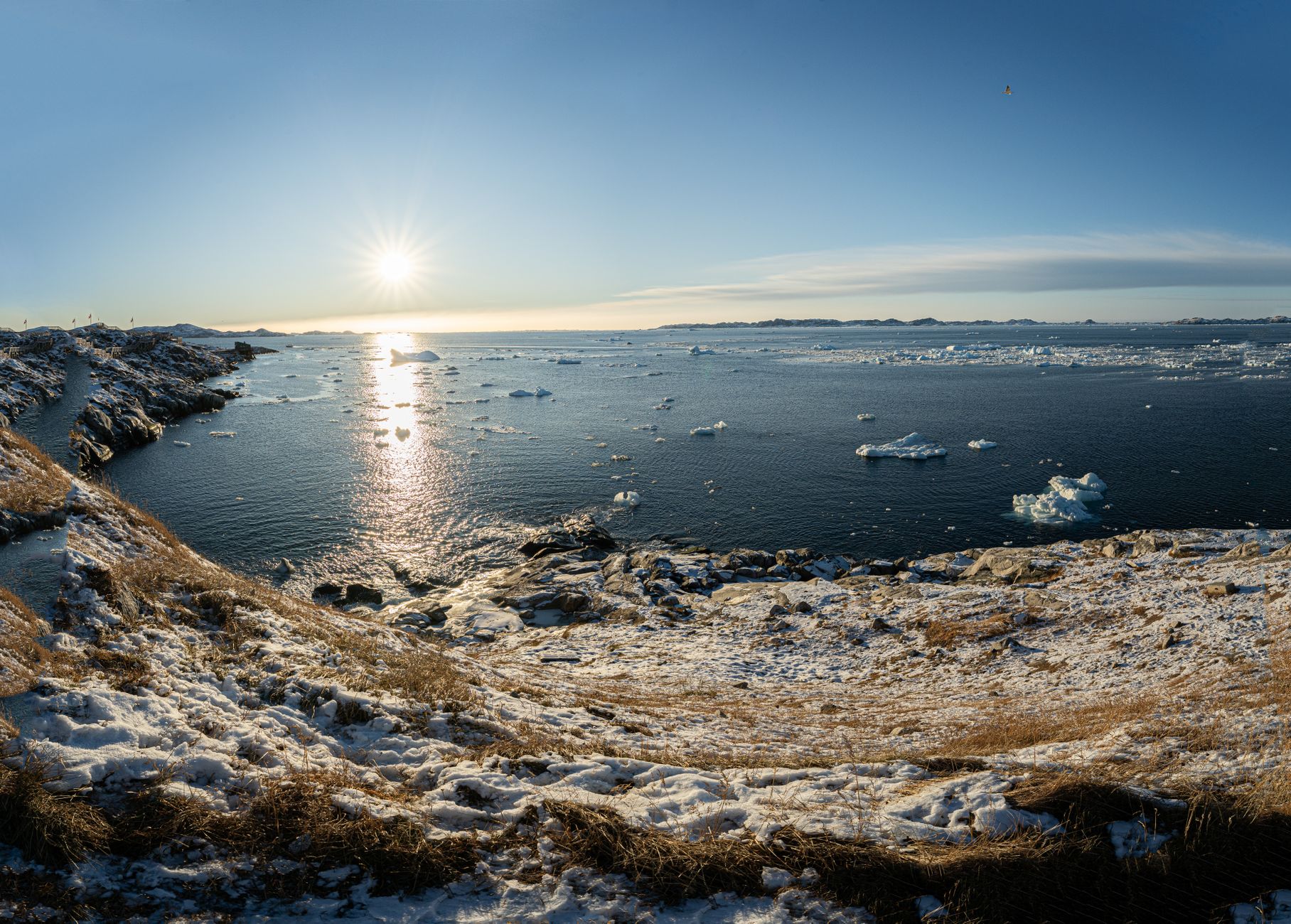



The United States and Denmark have announced a security agreement over Greenland that resolves months of diplomatic tension sparked by President Donald Trump’s repeated threats to seize the Arctic territory by force. The deal, expected to be signed next week at the UN General Assembly, grants the US permanent control over Greenland’s security while preserving Denmark’s sovereignty and Greenland’s right to self-determination, a red line neither country was willing to cross.
Trump framed the agreement as a victory, saying Denmark would grant the US “permanent control over security, and all other needs” in the semi-autonomous territory with “no cost to the United States.” He added that the deal includes a rule preventing any US adversary from maintaining a military presence in Greenland or making sensitive investments without explicit American approval. NATO welcomed the arrangement as a step toward regional stability, though the full text remains unpublished.
Denmark’s Prime Minister Mette Frederiksen and Greenland’s Prime Minister Jens-Frederik Nielsen jointly stated that the agreement “strengthens our common security in the Arctic and the North Atlantic area” while respecting Greenland’s sovereignty and self-determination rights. The deal must still pass through parliamentary procedures before it takes full effect.

What The Agreement Actually Includes
An unnamed US State Department official outlined key provisions without releasing the full text. The deal grants the US permanent access, basing and overflight rights in Greenland and gives the US unilateral power to build additional military structures without requiring approval from either Greenland or Denmark.
The agreement bans non-NATO countries from establishing military bases in Greenland. It also bans adversaries from making investments in Greenland that could threaten the United States, specifically targeting Russia and China. The official noted that under the current system, adversaries have been allowed to invest in Greenland’s sensitive sectors without investment screening.
One significant provision states the agreement will remain in force even if Greenland becomes an independent country in the future. This detail suggests Trump’s concerns about long-term Arctic security extend beyond Denmark’s current political relationship with Greenland.
The Strategic Stakes Behind Trump’s Demands
Trump has cited Greenland’s location between North America and the Arctic as crucial for early warning systems against missile attacks and for monitoring vessels in the region. He has also promoted a “Golden Dome” defense system designed to protect the US against missile attacks from Russia and China, with potential involvement from European allies.
Greenland holds vast, largely untapped reserves of rare earth minerals essential for mobile phones and electric vehicles. Trump’s push for control has been framed as a national security matter, though the mineral wealth adds economic weight to the strategic argument.
The US already maintains a permanent military presence in Greenland, with more than 100 personnel stationed at Pituffik base in the northwestern territory. The new agreement extends American security authority beyond what currently exists under a 1951 accord that already allows the US to send as many troops as needed.
How Greenlanders And Danes Are Reacting
Reactions in Greenland remain cautious. MP Naaja Nathanielsen called the news “gratifying,” but emphasized that “any agreement preserves our right to self-determination.” Former Greenlandic politician Aaja Chemnitz expressed skepticism, stating she would wait for the agreement to be finalized before drawing conclusions.
Danish media has interpreted the outcome as a diplomatic win for Copenhagen, with one headline reading “Don’t tell Trump that it’s the Kingdom of Denmark that has won.” A US correspondent for the newspaper Politiken noted that “Trump didn’t get Greenland, but he was allowed to take a victory lap on social media.”
French President Emmanuel Macron commented that the agreement helped “reaffirm Danish sovereignty” over the island and that “international law is respected,” addressing broader concerns among NATO allies about the precedent any forced territorial change might have set.
What Remains Uncertain
The unpublished agreement text creates ambiguity about what new concessions or sweeteners may have been offered beyond security arrangements. It is unclear how the new deal differs substantively from the 1951 agreement already granting the US broad military authority in Greenland.
Parliamentary approval in both Denmark and Greenland is required before the agreement enters into force. Greenland’s insistence on self-determination protections and the agreement’s explicit language preserving that right suggest ongoing sensitivity about the territory’s political future in Arctic geopolitics.