



Technology has become a powerful tool for sustainability professionals seeking to connect, collaborate, and drive meaningful change. This article gathers practical examples and expert perspectives on how digital platforms are helping leaders share knowledge, solve problems, and build communities around environmental action. From telemedicine networks to aviation procurement groups, these real-world applications demonstrate how online tools can turn individual efforts into collective impact.
- Owner Forums Refine Winter Charging Research
- Shared Spreadsheet Connects Eco-Conscious Wedding Vendors
- Renewable Hosting Metrics Start Practical Partnerships
- Community Board Sparks Congregation Action
- Water Data Drives Neighborhood Leak Awareness
- Social Content Inspires Responsible Island Travel
- Digital Platforms Unite Healthcare Voices
- Niche Networks Expose Communication Gaps
- Photo Threads Reveal Home Moisture Concerns
- Host Chats Sharpen Sustainable Turnovers
- Contractor Groups Speed Retrofit Solutions
- AI Video Puts Creators Center Stage
- Aviation Networks Enable Joint SAF Procurement
- Telemedicine Builds Local Wellness Ties
- Online Peers Test Customer Insights
- Seasons Women Cultivates Intentional Habits
- Project Visuals Show Repair’s Environmental Value
- LinkedIn Turns Claims Into Real-Time Dialogue
- iNaturalist Converts Curiosity Into Collective Evidence
- Visual Reports Guide Durable Roof Choices
Owner Forums Refine Winter Charging Research
Most of what I know about how people charge came from owner groups online—model-specific Facebook groups and the older forums where a thread from years ago still collects replies. I joined them as a founder hunting for customers and stayed because they are the only place drivers describe what happens on a cold Tuesday with a full boot and a car that will not take a charge.
Those groups are where our winter research came from. 1,180 drivers logged real winter mileage for us and let us publish what the cold did to their range, and they did it because they had watched us answer cable questions in those threads for years with no link on the end. Community goodwill takes a long time to build and about a week to spend.
What I get from it now is correction. Post a claim about cable durability in a group of a few thousand owners and someone with a five-year-old car and a garage full of adapters will tell you where you are wrong within the hour. That is worth more to a small retailer than any focus group, and it has changed what we stock twice.

Jake Wardle, Founder, EV Cable Hub
Shared Spreadsheet Connects Eco-Conscious Wedding Vendors
The tech that has actually changed my workflow isn’t sophisticated at all! It’s a shared vendor spreadsheet. It’s a spreadsheet where I track which florists reuse and rent arrangements, which rental houses take back decor instead of trashing it, and which caterers donate leftover food after the last dance.
I built it because I got tired of starting from scratch every time a couple came to me wanting a low-waste wedding. Trust me, they really exist! I’ve seen many millennial couples do this, having sustainable goals embedded in their weddings and events. Now this data, I trade with other Dallas and Austin planners in a group chat we keep going year-round. One caterer we love does surplus food recovery, and I found them because another planner dropped the name in that chat group. That’s the quiet version of community. Our company even has a Poppy with Purpose project where we give back to our community via charitable organizations wanting help with their events to encourage growth and development in our community. And what better way to start that than in your circle of friends, vendors, and fellow planners? For me, that’s a quiet version of community volunteerism. Not a hashtag, but a working list people actually add to.
In some instances, Instagram and Pinterest help too, but mostly as proof to skeptical couples. When a bride worries a rented lounge setup will look secondhand, I can pull real photos from other planners’ events in minutes and show her it reads beautifully. Seeing it done well is usually what moves people from “nice idea” to “let’s do it.”

Emmy Byers, Founder and Managing Director, Poppy Planning
Renewable Hosting Metrics Start Practical Partnerships
What connected me to other people working on this was a measurement tool. The Green Web Foundation runs a free checker that tells you whether a given domain is served from renewable-powered hosting. I started putting our own site and client domains through it, mostly out of curiosity about what all this web work physically sits on.
The useful part came next. Publishing the results, including the ones that came back badly, turned out to be the quickest way to find other practitioners. Developers and marketers who care about this find each other by comparing checkable facts about real sites, and a shared number gives a conversation a place to start. Two of the working relationships I value most on this subject began with someone replying to a post where I had admitted a client’s hosting sat on a grid mix I could not defend.
Because of how it started, the engagement stayed practical. The talk is about page weight, image formats, and what a tag manager stuffed with unused scripts costs in transferred data. On one client site, we cut transferred bytes per page by about 60% by stripping tracking nobody had reviewed in years, which helped the carbon figure and the mobile conversion rate at the same time.
Community found through a measuring tool behaves differently from community found through a hashtag. Everybody turns up holding a number, and the argument starts from something real.

Christopher Coussons, Director, Visionary Marketing
Community Board Sparks Congregation Action
A congregation using SmartChurch asked if we could let members share their own sustainability efforts, not just receive announcements. That request is what changed the platform.
We added a community board inside the app where churches post things like a garden update or a cleanup, and other members respond directly instead of it staying one-way. It wasn’t built for sustainability specifically; that’s just mostly what people used it for.
One congregation used it to organize a recycling drive that grew from a single post to over 200 participants across three linked congregations in a month, something a printed flyer never would have spread past one building.
Most tech pushes information out faster. What built community here was giving people a way to respond to each other, not just receive an update.

David Batchelor, Founder / President, DialMyCalls
Water Data Drives Neighborhood Leak Awareness
The best sustainability move I’ve made didn’t start with a gadget. It started with a social media thread of local homeowners on their community Facebook page trading notes on their water bills, and that’s honestly where I figured out what technology is actually good for. Not the gadgets themselves. It’s how these platforms like Facebook, X, Yelp, or Reddit help get these people talking, and then slowly changing how they use their water at home.
In our North Dallas market, I spend a fair amount of time on a neighborhood Reddit forum and a few local homeowners’ Facebook groups, mostly answering water-waste questions for free. Someone posts a $300 water bill, and I ask them to check the toilet flapper and read the meter with everything turned off. About the time we find a silent leak before it ever becomes a slab problem. One Plano homeowner traced a running toilet that was quietly wasting more water than her entire irrigation system. She genuinely had no idea it was happening!
When I install smart leak sensors or Wi-Fi water heater controls, those tools do a lot of the convincing for me. People see their own real numbers, not estimates or guesses, and something shifts. The data makes the conversation feel real instead of abstract, which is something I’ve never been able to pull off just by talking to someone.
The tech that matters isn’t the flashiest stuff. I can’t stress it enough, but it’s whatever puts actual water-use numbers in front of a homeowner and opens real conversation.

Heather Koen, President, Koen Plumbing, Inc.
Social Content Inspires Responsible Island Travel
Running ferry service to Block Island puts me right at the intersection of tourism and environmental stewardship—if the island’s natural beauty suffers, so does our business. That keeps sustainability front of mind for us every season.
We’ve leaned heavily on social media and our blog to connect with visitors who genuinely care about preserving what makes Block Island special. Highlighting things like the Nature Conservancy’s protected open lands and low-impact activities like kayaking and hiking naturally attracts an audience that thinks the same way we do.
What’s surprised me most is how that content creates real two-way conversations. When we posted about embracing “island time” and treading lightly on the environment, we heard from travelers actively looking for that kind of guidance before their trip—people who wanted to visit responsibly and just needed a starting point.
The ferry itself becomes part of that sustainability conversation too. Shared transportation to a car-light island is already a greener choice than most vacation options, and once visitors realize that, they’re even more motivated to protect what they find when they get there.
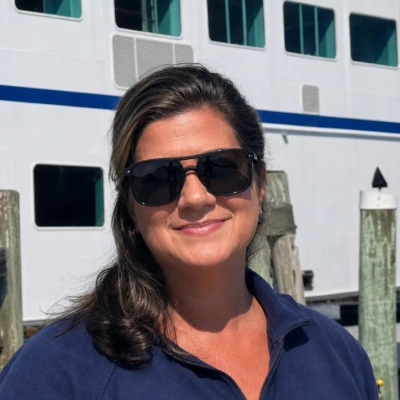
Megan Moran, Sales Manager, Block Island Ferry
Digital Platforms Unite Healthcare Voices
Yes, and I’d argue healthcare is one of the best places to watch it happen. In my role at A-S Medication Solutions, sustainability isn’t a buzzword we bolt onto a campaign; it’s baked into how care gets delivered. When a physician dispenses medication right at the point of care, that patient doesn’t make a second trip to a pharmacy. Multiply that across the more than 3,600 provider dispensing sites we serve, and you’re talking about real reductions in travel, wasted trips, and medications that never get abandoned at a counter.
Technology is what connects that story to the community. I use LinkedIn and virtual forums constantly to talk with clinicians, employer health providers, and public health teams who care about the same things we do: fewer errors, less waste, better adherence. Our automated dispensing systems cut human error, and prepackaged medications mean precise quantities instead of overflow that ends up forgotten in a medicine cabinet. When I share those stories digitally, the response is always the same: people didn’t realize pharmacy logistics could be a sustainability lever.
The community piece is where it gets fun. Because we’re licensed in all 50 states and work with everyone from local clinics to government agencies, including correctional facilities and public health initiatives, I get to hear how different communities define sustainability. Some care most about waste reduction, others about access and equity. Technology lets me bring those voices together, whether that’s a webinar, a shared case study, or a simple thread where a rural clinic and an urban employer health program swap ideas they’d never trade otherwise.
My advice to anyone building a sustainability community through tech: lead with specifics, not slogans. Nobody bonds over vague promises. People bond over measurable outcomes, like a patient walking out with exactly the medication they need, at the visit, with no gaps and no waste in between. That’s a story a community can rally around, and it’s why I believe our industry has more to offer this conversation than most people expect.

Ydette Florendo, Marketing coordinator, A-S Medical Solutions
Niche Networks Expose Communication Gaps
Technology has enabled me to interact with sustainability-minded individuals far outside my regular marketing network, but I find that smaller and more niche LinkedIn groups, webinars, and follow-up discussions provide more value than massive public networks. These interactions have changed my perspective on sustainability projects because marketers tend to focus on the message, whereas those more involved in operations can clarify what is genuinely doable.
I’ve developed a good habit of keeping a simple “community insight” notebook to capture recurring problems, situations, and questions that come up throughout these chats. When three unconnected people bring up the same issue, such as customers questioning recyclable packaging instructions, I know there is a genuine communication gap that has to be investigated. Rather than guessing what an audience is interested in, we’ve used those patterns to construct content briefs, client queries, and campaign concepts around issues that people are already discussing.

Jimi Gibson, VP of Brand Communication, Thrive Internet Marketing Agency
Photo Threads Reveal Home Moisture Concerns
Technology is how this community found me. I’m building a small photo-based app that reads mold and moisture problems from a picture. Building it keeps pushing me into forums and comment threads. People there obsess over damp basements and foggy windows. NIH puts visible dampness or mold in 47% of U.S. homes. That group is bigger than most people assume. A phone and a few social accounts give me a direct line to strangers. One person is in a dark crawlspace with no light. Another has an attic that never fully dries after a storm. I ask for a photo. They explain what the stain actually looks like in their house. That’s usually where the sustainability angle shows up too. Less water damage means less gutted drywall going to a landfill. It also means less energy spent running a dehumidifier against a leak nobody fixed. Running a small team means there’s no separate community role doing this. Those threads and messages are where I actually learn what worries people about their own homes.

Victor Smushkevich, Founder, Mold Scanner AI
Host Chats Sharpen Sustainable Turnovers
Yes. Online host groups are where I actually connect with people serious about sustainability in short-term rentals. Facebook groups for Los Angeles Airbnb hosts carry ongoing conversation about turnover waste, not booking tips. That’s where the restocking question comes up all the time. Hosts want to know if a cleaning service refills every bottle every visit or just tops off what runs out fast. My answer is toilet paper, paper towels, trash bags. Soap, shampoo, conditioner, coffee stay the host’s own stock, because replacing full bottles on every single turnover wastes money and product for no reason. Technology is what makes that conversation possible at this scale. I’m inside a dozen of these groups at once, reading what hosts in other cities are trying, comparing what actually cuts waste against what just sounds sustainable. Engaging with that community keeps my own habits honest. A phone and a group chat do more for sustainable turnover practices than most certifications I’ve seen floated around.

Carolyn Vasquez, Founder, Ready Rental Cleaning
Contractor Groups Speed Retrofit Solutions
Yes. Online groups for contractors are where this shows up for me. HVAC and plumbing forums are full of people comparing notes. So are private groups on Facebook and LinkedIn. It’s heat pumps one week, insulation retrofits the next. I read what they’re seeing on the job site. That comes before any headline about energy policy. Someone posts a wiring quirk on a heat pump install. A few others try it that week and report back. That loop used to take a trade show and a year. Now it takes days.
This connects to my own work too. I set up phone systems for home service businesses. I’m on calls with plumbers and HVAC owners all day. The ones doing sustainability retrofits talk about it like they’d talk about a good supplier. It gets them more calls. The community part is just contractors helping each other. That used to need a conference badge.
Victor Smushkevich, Founder, Tested Media
AI Video Puts Creators Center Stage
I’m Runbo Li, co-founder and CEO of Magic Hour, an AI video platform that’s helped millions of people create professional content without a studio or a big budget.
Technology doesn’t just connect you to sustainability communities. It makes you a broadcaster for them. That’s the shift most people miss. The old model was joining a forum or attending a meetup. The new model is creating content that pulls people toward you at scale.
Here’s what I mean. When David and I were building Magic Hour, we made a deliberate choice to run the entire company with two people. No office, no commute fleet, no 50-person team flying to conferences. We use AI to do the work of entire departments. That’s not just an operational decision; it’s a sustainability stance. And when we talk about it publicly, we attract founders, creators, and small business owners who think the same way.
I’ve seen this play out even more directly with our users. A creator I spoke with last year was making videos about urban composting. Before Magic Hour, she was spending eight hours editing a single piece of content. Now she produces three videos a week, each one pulling in thousands of views and connecting her to local composting networks, municipal programs, and even a partnership with a community garden nonprofit. Technology didn’t just help her “engage with the community.” It made her the center of one.
The real unlock is that video is the language of the internet now. If you care about sustainability and you’re not producing visual content about it, you’re whispering in a crowded room. AI tools have made it possible for anyone to speak at full volume, regardless of budget or technical skill.
Community doesn’t come from joining. It comes from creating something people want to gather around.

Runbo Li, CEO, Magic Hour AI
Aviation Networks Enable Joint SAF Procurement
I’ve built most of our sustainability strategy through LinkedIn and aviation forums, where operators share actual data on SAF adoption and carbon reduction. The conversations are more transparent than you’d expect. People post fuel efficiency numbers, offset program results, and experiments that didn’t pan out. It’s been useful.
What I’ve learned: sustainability in private aviation has to be real. The community spots greenwashing immediately. When we committed to carbon neutrality, I posted the process publicly—the costs, the tradeoffs, all of it. That led to partnerships with other operators and clients who wanted to fund SAF purchases directly.
The best part? Three competitors reached out to collaborate on SAF procurement. We pooled our buying power to negotiate better rates and availability. Technology connected us, but it also made collective action possible in a way that wouldn’t have happened otherwise.
Dean Rotchin, CEO at BLACKJET, BlackJet
Telemedicine Builds Local Wellness Ties
At Davila’s Clinic, we’ve leaned on technology like telemedicine to link our patients in Weslaco with broader conversations around sustainability and wellness. For instance, we use secure video platforms to host virtual wellness sessions that tie preventive health to eco-friendly living, such as discussing how cleaner air and local produce impact chronic disease management. This approach has helped us connect folks passionate about sustainability right here in the Rio Grande Valley, where families often juggle work and health needs.
I’ve seen it build real community ties by letting people join from home during our evening hours or Saturday mornings without traveling. One patient shared how switching to sustainable home habits reduced their stress and improved their check-up results, and that sparked group chats on our patient portal. We don’t just talk prevention; we show how small green choices support long-term plans for conditions like diabetes or heart issues, which resonates deeply.
When resources get tight, we prioritize these tech tools because they stretch our reach while keeping care personal and affordable. It’s all about explaining tradeoffs clearly to patients so they see why virtual check-ups free up time for community events focused on wellness and the environment. We’ve researched topics like this before giving guidance by reviewing local trends in the Rio Grande Valley, making sure our advice fits real lives here.
This tech-driven connection fosters trust through straightforward communication. Patients tell us it makes them feel part of something larger, turning individual health goals into shared sustainability efforts. I’m convinced this model delivers practical benefits for families seeking comprehensive primary care, and we’ve watched it grow engagement organically.

Ysabel Florendo, Marketing coordinator, Davila’s Clinic
Online Peers Test Customer Insights
I initially joined online sustainability groups to learn from others, but they’ve also become a useful tool for determining what customers genuinely want from us. On LinkedIn, at online events, and in smaller industry groups, I’ve asked them how they handle event waste, promotional products, vendors, and sustainability claims. These talks, in my opinion, are more instructive than polished case studies because people are more upfront about what worked, what didn’t, and what they would change.
When I hear a good idea, I try to make it into a small experiment. For example, rather than debating whether printed materials are required at an event, we can test QR codes at one event and observe what people utilize. Then we have actual results to learn from and share with others. A simple technique to follow is to learn from others, to try something new, and to share your findings.

Matt Bowman, Founder, Thrive Local
Seasons Women Cultivates Intentional Habits
Yes, technology has played a big role in helping me connect with people who care about sustainability and being more intentional about the choices we make. Through building Seasons Women, I’ve seen firsthand how valuable it can be to have a space where women can exchange ideas, recommend local businesses, share resources, and learn from one another. It has also introduced me to people and perspectives I probably wouldn’t have encountered in my everyday life. I think sustainability can feel overwhelming when you approach it alone, but technology makes it easier to learn from others and discover small, realistic changes. For me, it’s really about using technology to create community and help others make more thoughtful choices.

Stevie Kovanda, Founder, Seasons Women
Project Visuals Show Repair’s Environmental Value
As co-founder of FoamWorks, I use technology mostly to make sustainability practical, not abstract. Our big message is: don’t replace structurally sound concrete if PolyLevel can lift and stabilize it instead.
One way we connect is by sharing real project photos, case studies, and before-and-after examples online so homeowners can see that repair can mean less tear-out, less landfill waste, and less disruption. That has helped start better conversations than just saying “we’re eco-friendly.”
A good example is our Havecon Greenhouse job, where we used detailed as-built drawings to avoid utilities and an electric cart with shore power because engines and fumes were restricted. That kind of project shows how technology can solve a real site problem while respecting the environment people are working in.
My advice: use tech to make sustainable choices visible and easy to understand. People engage more when they can see the specific tradeoff: repair vs. replace, less mess, less waste, and a finished result that actually solves the problem.

Trey McNamee, Owner, FoamWorks Concrete Leveling
LinkedIn Turns Claims Into Real-Time Dialogue
LinkedIn has probably been the most useful tool for connecting with people who care about sustainability because it turns a pretty broad topic into thousands of smaller, useful conversations. I’ve used it to follow sustainability leaders, see what brands are actually doing versus what they’re just saying, and jump into discussions around things like responsible sourcing, waste reduction, and greener marketing practices. The biggest benefit is that you get exposed to people outside your normal bubble—operators, consultants, founders, researchers, and customers all looking at the same issue from different angles. It’s also a great detector, because if a company makes a big sustainability claim, you can usually see pretty quickly how knowledgeable people in the space react to it. For me, technology has made sustainability feel less like a corporate initiative and more like an ongoing conversation you can learn from in real time.

Justin Belmont, Founder & CEO, Prose
iNaturalist Converts Curiosity Into Collective Evidence
I use technology to give sustainability conversations a shared object rather than leaving them as general opinions. A tool such as iNaturalist lets people photograph local plants, insects and wildlife, compare observations and help verify species. That makes community engagement practical: neighbours can organise a biodiversity walk, identify invasive species and monitor changes over time. The value is not the app itself; it turns individual curiosity into evidence people can discuss and act on together.
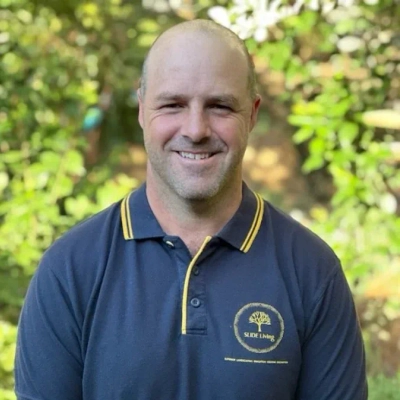
Gregory Hair, Owner, Landscaper, SLIDE Living
Visual Reports Guide Durable Roof Choices
As a licensed contractor managing dual-location roofing operations across Alabama, I frequently rely on digital inspection platforms and online reporting tools to connect with property owners prioritizing sustainable building solutions.
We use high-resolution digital imaging and online claim-documentation software to show property managers exactly how eco-friendly options—like reflective TPO flat roof systems and long-lasting metal roofing—perform against severe Gulf Coast storms.
Publishing these detailed inspection reports and sharing insights on climate-optimized materials from manufacturers like CertainTeed has sparked active, transparent conversations within our local community.
Leveraging technology to make material durability and storm resistance visual strips away the guesswork, helping homeowners and insurance professionals choose long-term, code-compliant solutions together.

Bill Spencer, Owner, Prime Roofing & Restoration