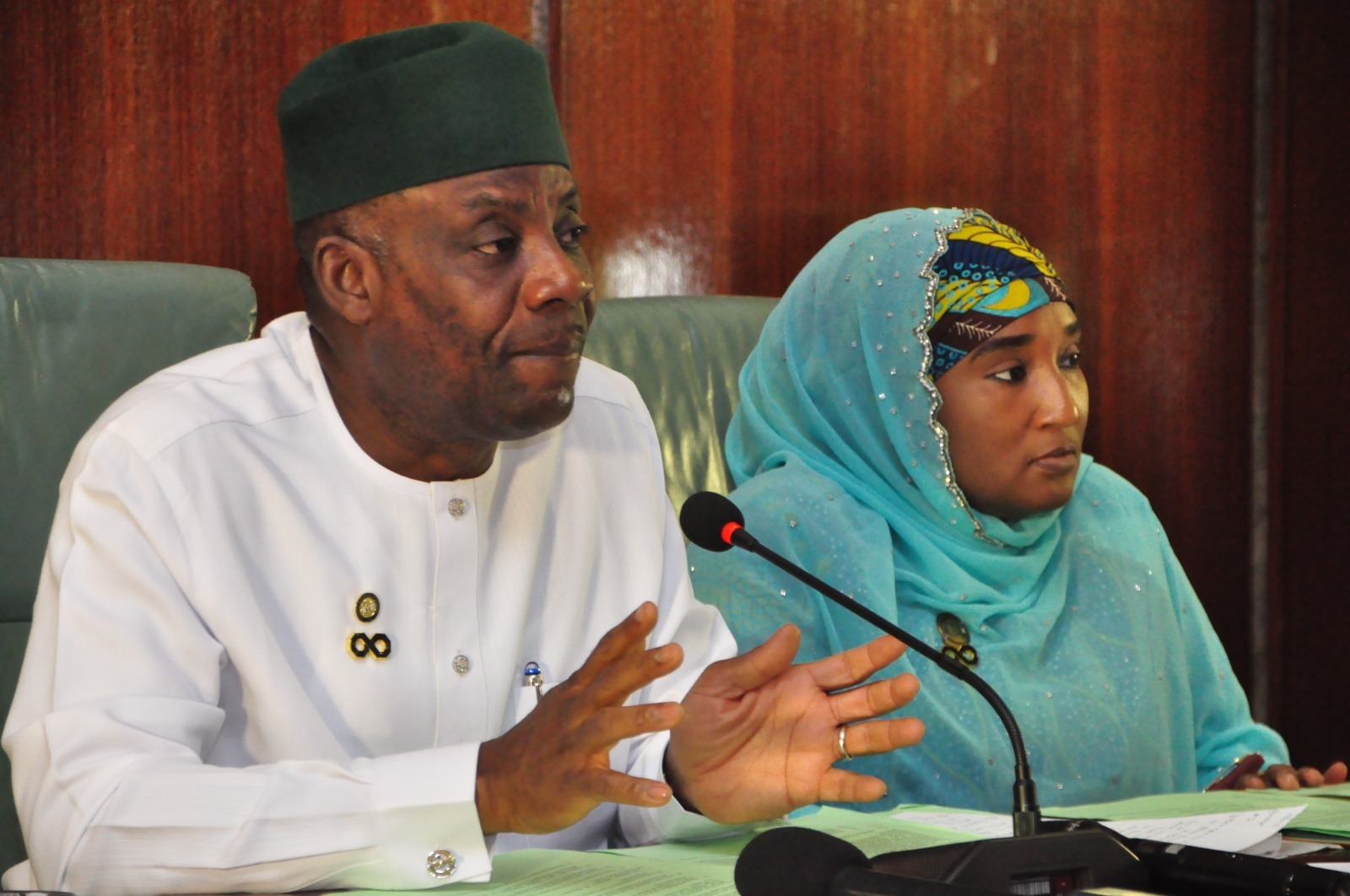


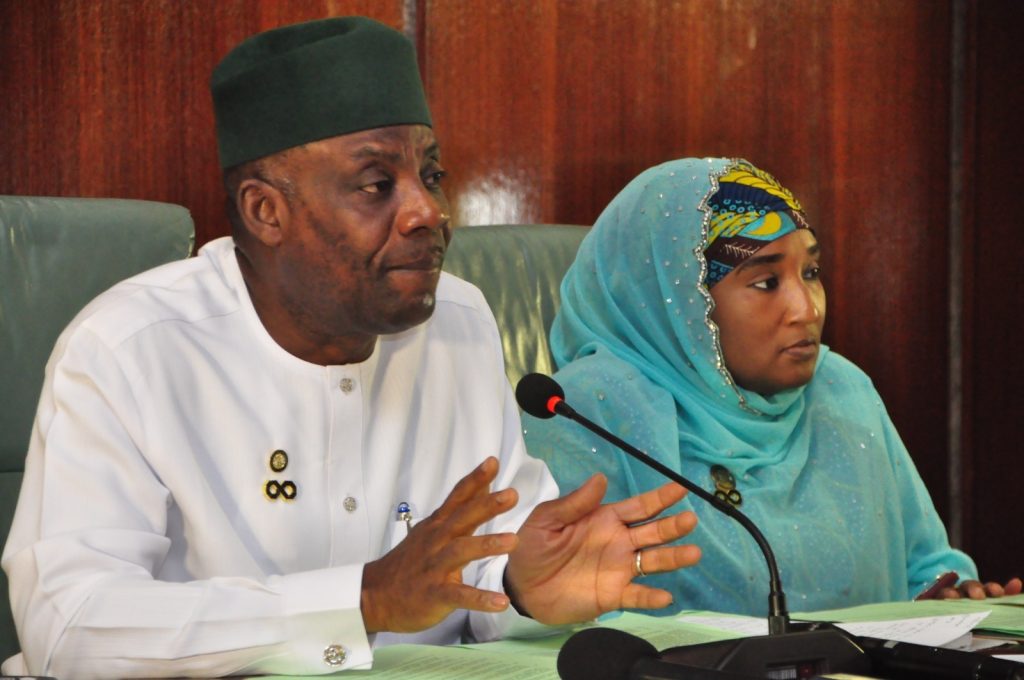
FG approves national research and innovation fund to help move Nigerian research toward products, services and technologies that can reach the market. Mukhtar Muhammad, permanent secretary of the Federal Ministry of Innovation, Science and Technology, announced the approval at the second National Technology and Innovation Summit in Lagos.
Muhammad said the fund would strengthen financing for research, technology development, prototyping, scale-up and commercialisation. He said Nigeria had ideas, talent and research capacity, but needed stronger links among research, industry, investment and markets, according to the Gazette report.
How the Fund Could Move Research Toward Markets
Muhammad said research should move beyond academic publications and laboratory shelves. He described the goal as turning research into products, enterprises and solutions capable of generating wealth. The fund is intended to support that path by addressing financing needs from research through product development and commercialisation.
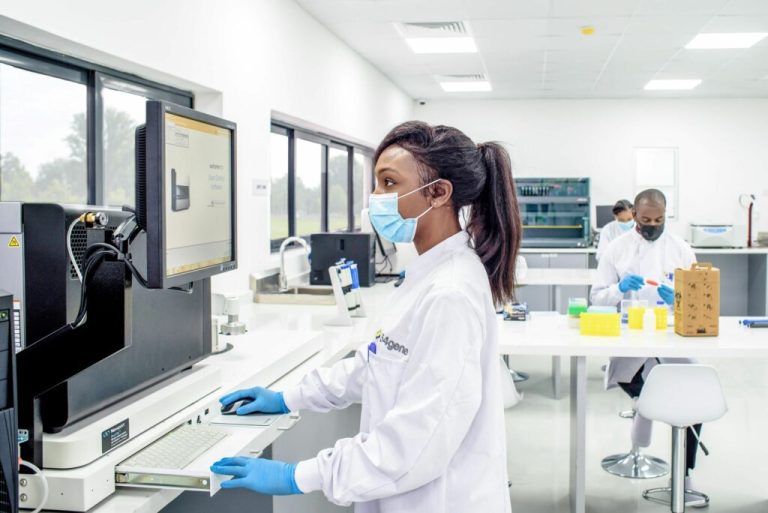
He identified finance, intellectual property protection, technology transfer, infrastructure, technical skills and market assessment as important parts of commercialisation. Muhammad also said technology acquisition should include knowledge transfer and skills development, alongside efforts to strengthen indigenous technological capacity.
“Technology acquisition should facilitate knowledge transfer, skill development, local content adaptation and progressive technological independence,” Muhammad said.
He described technology sovereignty as an increasingly important part of national sovereignty and said Nigeria should develop critical technologies locally. He also said sovereignty did not mean isolation from international partnerships or the wider global technology ecosystem. Instead, he said, Nigeria should engage international partners from a position of greater technological strength and capacity.
Universities and Industry Called to Work Together
Andrew Haruna, secretary-general of the Committee of Vice Chancellors of Nigerian Universities, also called for stronger collaboration between universities and industry, as well as more research funding. Olatunji Oladiran represented Haruna at the summit.
Haruna said Nigeria’s research ecosystem faced limited grants, funding gaps and weak university-industry partnerships. He said low commercialisation of research outputs also limited the impact of research in the country. In his view, universities should treat research as an investment and an asset, as well as a way to solve national problems.
He said better funding, industry partnerships and commercialisation could improve the global visibility and competitiveness of Nigerian universities. Haruna urged stakeholders to turn the summit’s discussions into practical steps that make research more impactful and commercially viable.
Support for Young Innovators
Muhammad also urged policymakers to attract private-sector investment and support young Nigerians through education, mentorship and incubation. He said young people needed financing, digital and technical skills, laboratories and prototyping facilities to contribute to the innovation economy.
“With the right investment in education, skills, mentorship, infrastructure, finance and entrepreneurial support opportunities, our young people can become the principal drivers of this country’s innovation economy,” Muhammad said.
He commended the National Office for Technology Acquisition and Promotion for promoting technology transfer, intellectual property use and stronger connections between research institutions and industry. The summit was organised by NOTAP under the theme “From Research to Wealth: Strengthening Innovation, Commercialisation and Technology Sovereignty in Nigeria.”
Muhammad asked summit participants to turn their recommendations into concrete action and said success should be measured by impact beyond the conference hall. The fund’s purpose is to strengthen financing across research and development, while the calls for stronger partnerships and commercialisation point to the work officials and institutions say must accompany it.
The summit’s theme linked research with wealth creation, commercialisation and technology sovereignty in Nigeria. Muhammad’s remarks connected those aims to financing and to the capacity to develop technologies locally. His comments placed technology acquisition within an effort to gain knowledge and skills, while maintaining international partnerships.
Haruna’s contribution focused on the role of universities. He said commercialisation and collaboration could make research more visible and competitive internationally, while also helping it address national problems. The two speakers called for follow-through after the summit, with research institutions, industry and stakeholders expected to strengthen the links needed to move research toward commercial use.