


Researchers at the Korea Advanced Institute of Science and Technology have created a smartphone add-on that detects hidden cameras using reflected light patterns, offering a practical privacy tool for travelers and anyone concerned about surveillance.
The device, called SweepLED, solves a persistent problem with existing hidden-camera detectors: they produce too many false alarms. Most detectors shine light at an object and look for bright reflections, but mirrors, lamps, glossy plastic, and other household items bounce light back just as easily as camera lenses do. SweepLED instead analyzes how reflections change as light sweeps across an object from different angles, a signature pattern that distinguishes camera lenses from ordinary shiny surfaces.
Hidden cameras have become a serious privacy concern. Cases of cameras found in hotel rooms, Airbnb rentals, and private bathrooms have prompted major platforms to act. Airbnb announced a global ban on indoor security cameras to address the problem, though illegal installations continue.
How the Detection Works
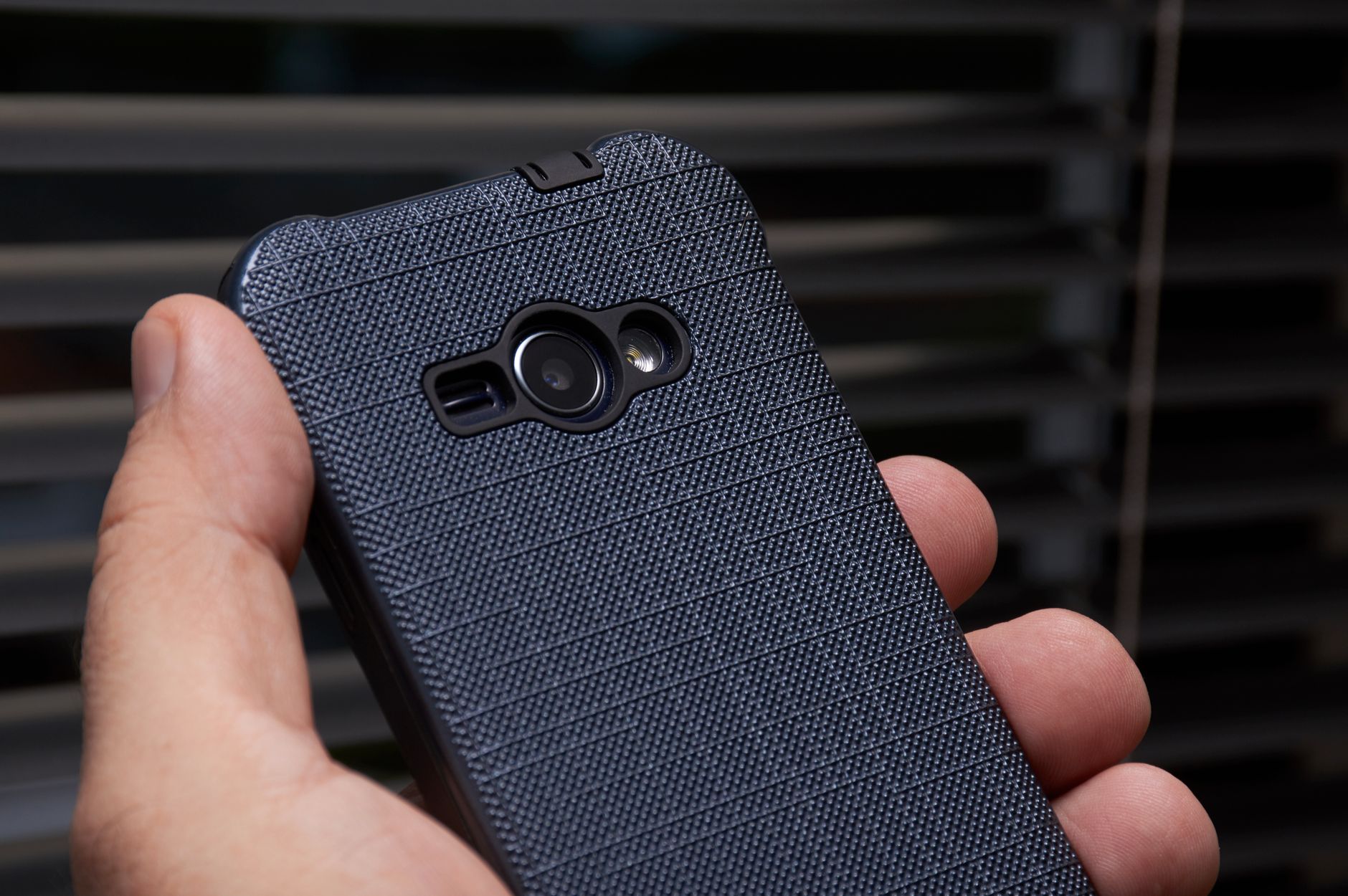
SweepLED builds on a straightforward principle: camera lenses have distinctive optical structures that produce unique reflection patterns as lighting angles change. The prototype consists of a small LED array built into a smartphone case, with 15 LEDs and about $7 in hardware costs.
To use the device, a person points the phone at a suspicious object and holds it still for a few seconds. The LEDs rapidly sweep light across the object from different angles while the phone’s camera records the reflection. Standard shiny objects and camera lenses both reflect light, but their reflections behave very differently as the angle of illumination changes.
The phone records the reflection changes and sends the video to software that processes the footage. The system first stabilizes the recording, since the phone may move slightly. It then compares frames captured with the LEDs on and off to isolate the reflections produced by the LED sweep. An AI model trained to track and analyze changes over time, rather than looking at a single image, identifies reflections that change in the particular way a camera lens produces.
Test Results and Current Status
Researchers tested the prototype on 30 different objects, including items with built-in cameras and regular household items. The system achieved approximately 94 percent detection accuracy and took about five seconds to inspect each object. A paper on the technology was presented at ACM MobiSys 2026.
Despite the promising results, SweepLED remains a prototype. The low hardware cost and compact design suggest potential for commercial development. With privacy concerns around hidden cameras showing no signs of declining, a device that is both cheap and portable could fill a real market need.
For now, the SweepLED technology demonstrates that effective hidden-camera detection does not require expensive equipment or sophisticated analysis. The key innovation lies in recognizing that camera lenses produce distinctive optical patterns that standard reflective surfaces do not, and that analyzing how those patterns change across multiple angles is far more reliable than looking for a single bright spot. As the researchers develop the technology further, travelers and renters may soon have access to a tool that costs little more than a coffee cup.